Pest & Diseases Guide
What is Companion Planting?
Companion planting is the practice of growing two or more plant species in close proximity to provide mutual benefits such as pest control, improved pollination, better use of space, soil improvement, and higher yields. The practice is both traditional and increasingly supported by agroecological research and practical experience.
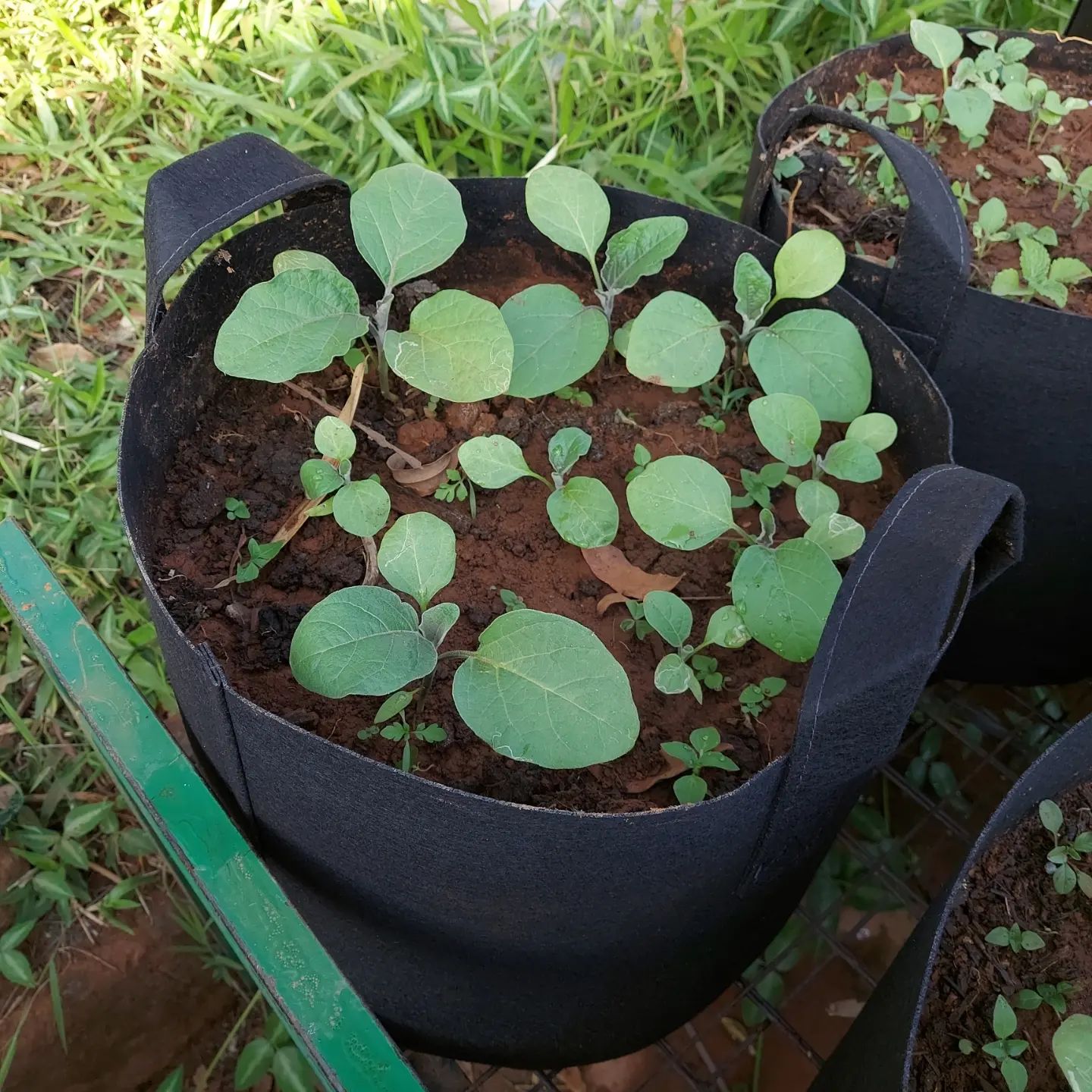
Key Principles & Mechanisms
Core ecological interactions that make companion planting effective in small and urban gardens.

Biodiversity & Balance
Diverse plant combinations create a stable ecosystem that naturally limits pest outbreaks.
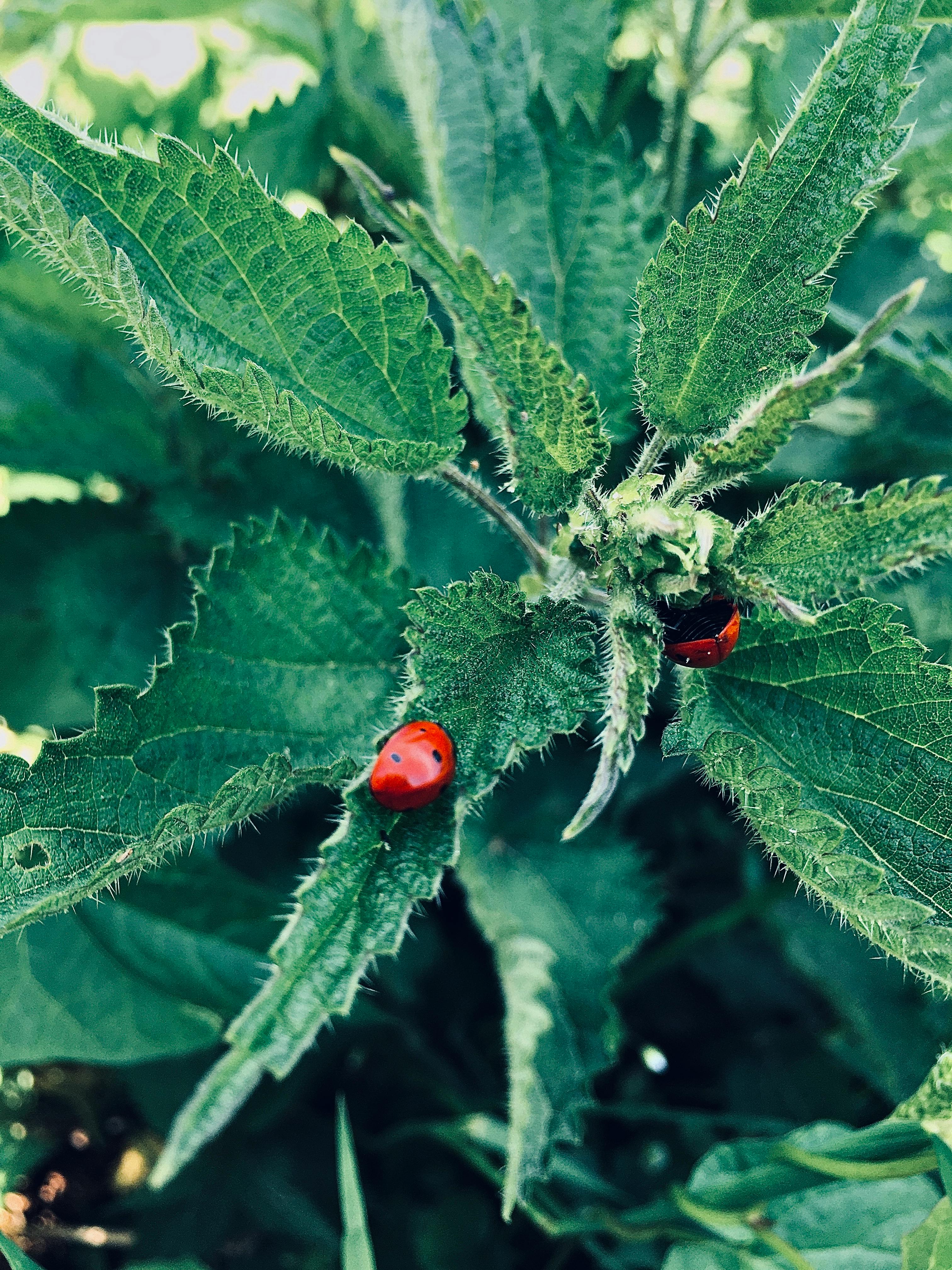
Beneficial Insects
Flowering herbs attract pollinators and predators like ladybirds that control pests.

Trap Cropping
Sacrificial plants draw pests away from main crops, reducing damage.

Physical Support & Shade
Taller crops provide shade and structural support for climbers.
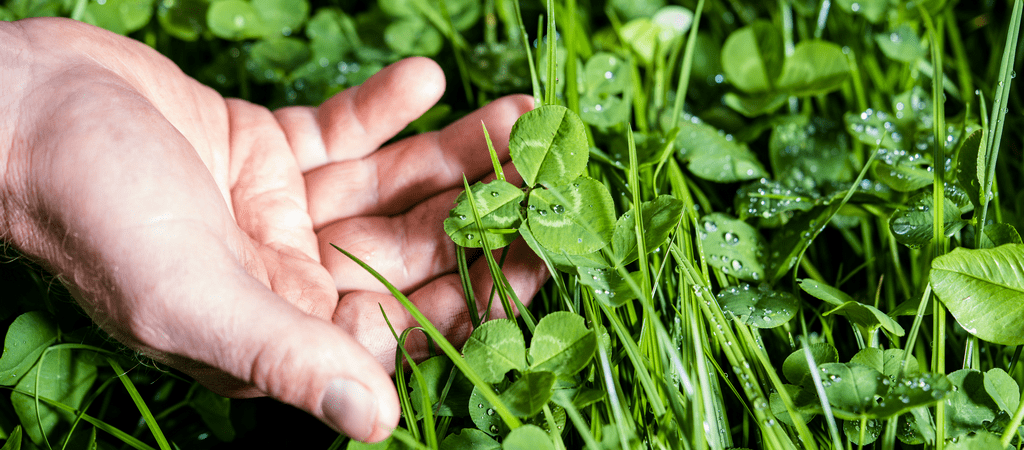
Nitrogen Fixation
Legumes enrich soil nitrogen, feeding neighboring crops naturally.
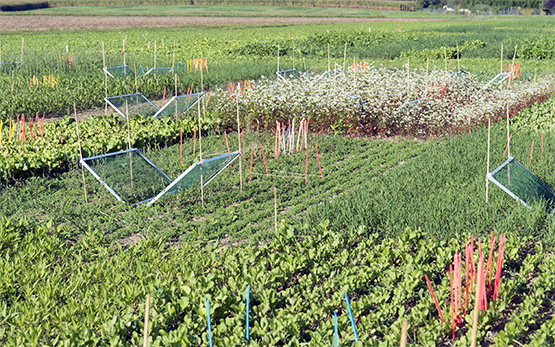
Allelopathy
Some plants release chemicals that suppress weeds or pests.
Benefits of Companion Planting
Reduced Pest Pressure
Decrease reliance on synthetic pesticides through natural pest control.
Improved Pollination
Higher yields for fruiting crops through better pollination.
Better Space Utilization
Optimize space in small urban gardens through strategic planting.
Enhanced Soil Fertility
Improve soil structure and fertility over time through companion planting.
Diversified Harvests
Reduce risk of total crop failure and increase harvest diversity.
Sustainable Gardening
Create a more resilient and sustainable gardening ecosystem.
Design Patterns for Small / Urban Gardens
Good Companions: Basil (improves flavor, repels pests), Marigolds (nematode deterrent), Borage (attracts pollinators), Onions
Avoid: Brassicas nearby (can compete). Rotate with legumes.
Good Companions: Dill, Celery, Onions, Marigolds
Avoid: Strawberries and aromatic herbs that attract cabbage moths. Rotate frequently.
Good Companions: Onions, Leeks, Sage
Avoid: Dill when carrots are young (can inhibit growth).
Good Companions: Carrots (help each other), Lettuce, Beets
Avoid: Beans/Peas (separation advised).
Good Companions: Corn (Three Sisters method), Cucumbers, Radishes. They fix nitrogen benefiting leafy crops.
Note: Do not overcrowd; support needed for vining types.
Good Companions: Nasturtiums (trap aphids), Radishes, Dill
Avoid: Potatoes (disease interactions).
Good Companions: Beans (nitrogen), Marigold, Onions, Herbs like basil and coriander
Local Tip: Intercropping with legumes boosts yield significantly. Highly recommended for Kenyan urban gardens.
Good Companions: Many vegetables — herbs can repel pests and attract pollinators
Important Note: Mint can be invasive; grow in containers.
Design Patterns for Small / Urban Gardens
Three Sisters (Native American Model)
Corn, beans and squash grown together: corn supports beans, beans fix nitrogen, squash suppresses weeds and shades soil.
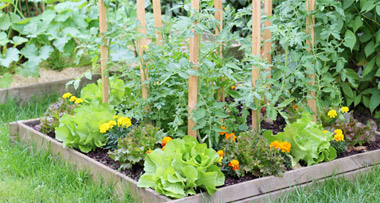
Herb & Vegetable Edges
Plant herbs and flowers around vegetable beds to attract beneficial insects and repel pests.
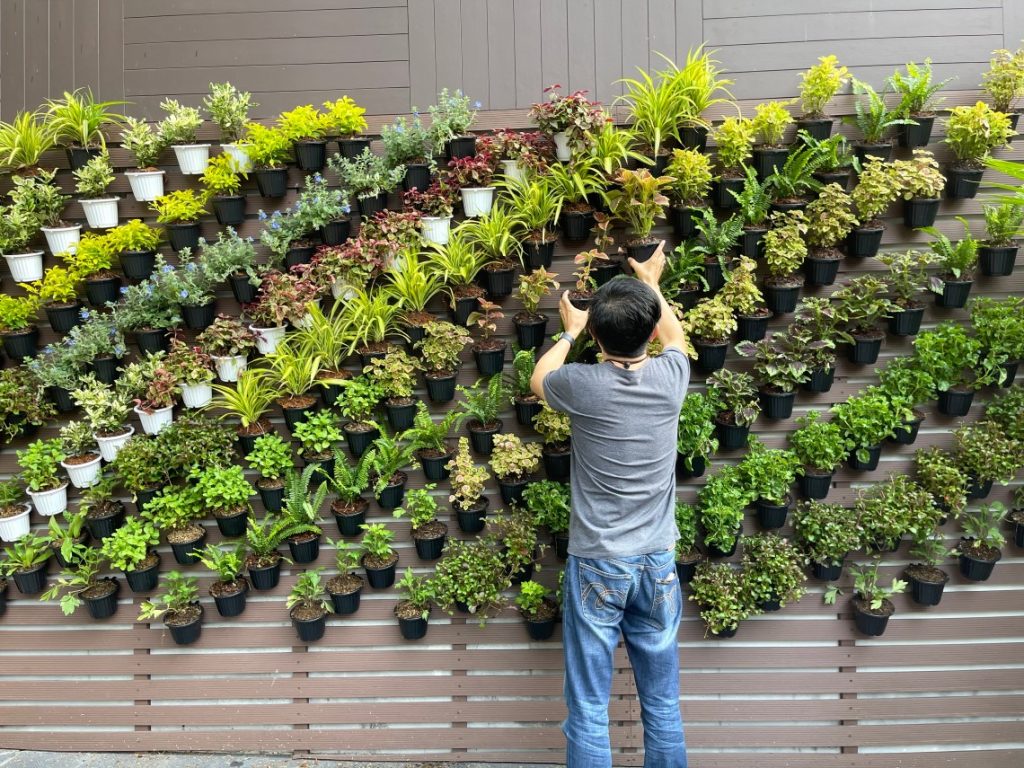
Vertical Layering
Use vertical spaces for vining crops; place low-growing herbs at edges to maximize light and airflow.
Trap Crop Rows
Plant sacrificial rows of nasturtiums or radishes at the garden edge to draw pests away from main crops.
Kenya-Specific Companion Planting
Using Legumes
(beans/peas) to improve soil for leafy vegetables like sukuma wiki
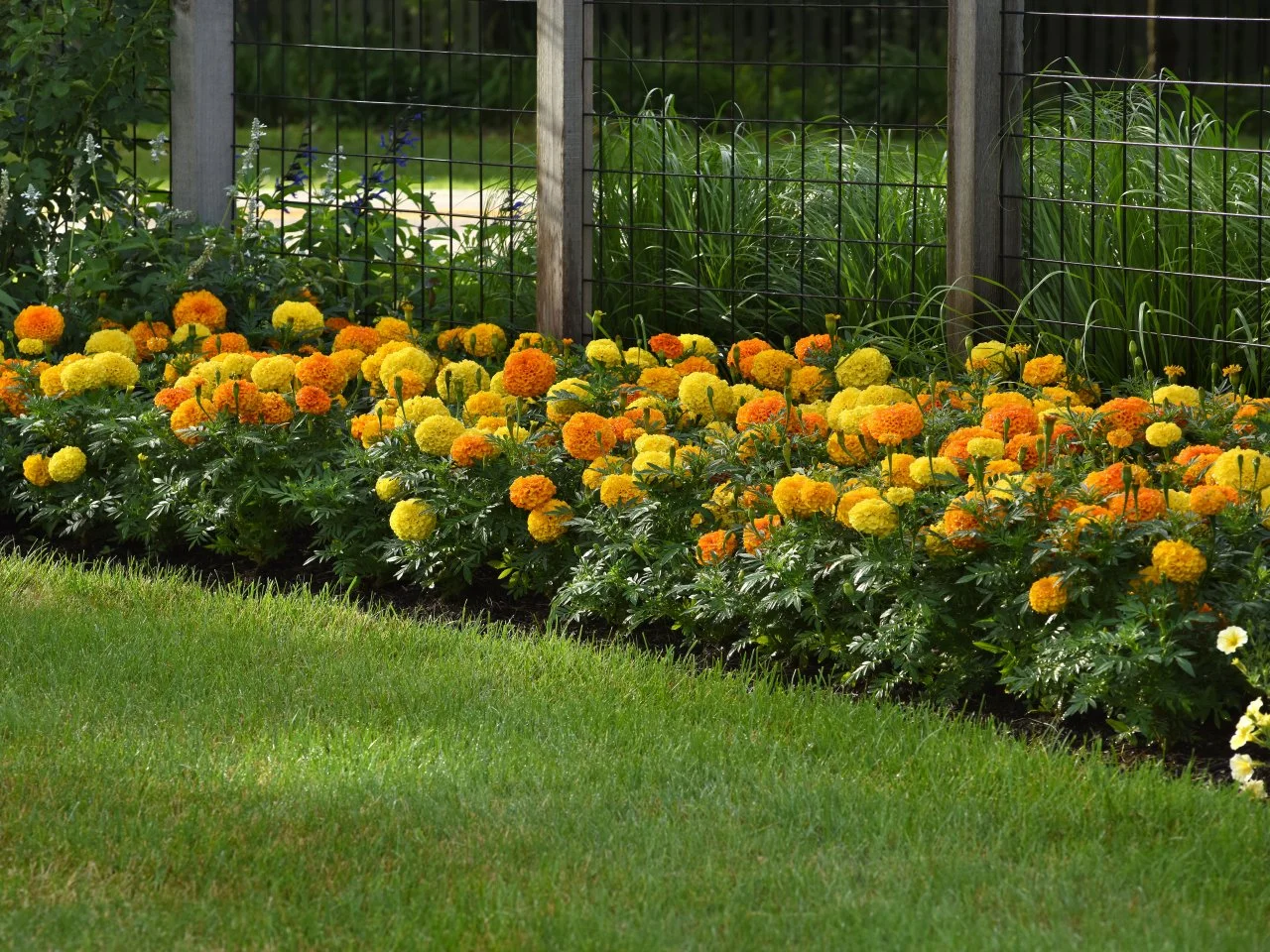
Planting Marigolds
and strong-scented herbs to reduce nematodes and pests.

Timing plantings
around the long rains (March-May) and short rains (Oct-Dec); stagger plantings to ensure continuous harvests.
Implementation Steps & Practical Tips
-
1
Start Small
Test 2–3 companion pairs in a single bed or grow bag first.
-
2
Observe and Record
Note pest pressure, yields, and plant health weekly.
-
3
Rotate Crops
Rotate crops yearly to reduce disease buildup.
.png)
-
4
Use Flowering Strips
Plant pollinator-attracting flowers in strips or pots.
-
5
Avoid Overcrowding
Ensure proper airflow to prevent fungal diseases.
-
6
Container Gardening
Use containers for invasive herbs like mint.
Pests & Diseases Identification Guide
Visual reference for identification, symptoms, and organic solutions.
Cautions & Common Myths
Companion planting is not a guaranteed solution; results vary with microclimate, soil, and timing. Some pairings are traditional rather than scientifically proven. Always use companion planting alongside good cultural practices like clean tools, crop rotation, and maintaining healthy soil.